The Risk Hiding Inside Every Wash Park Teardown Purchase
August 27, 2026
August 27, 2026
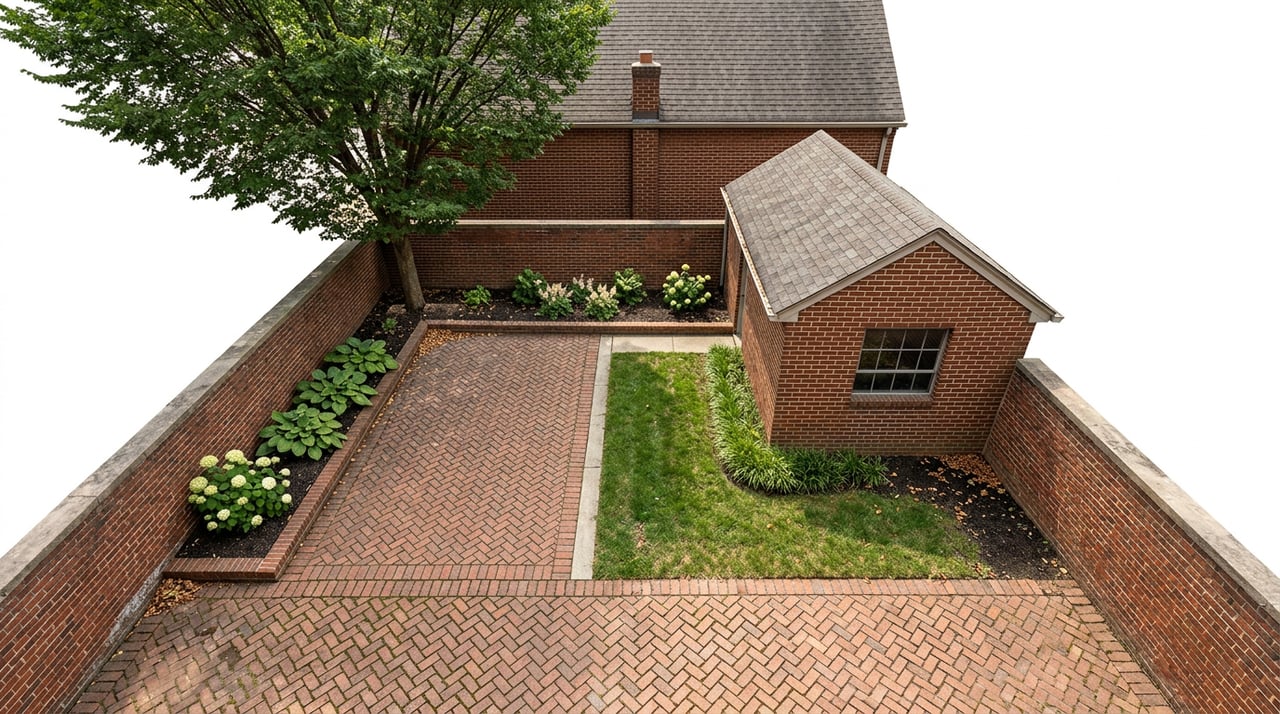
In February 2025, Tony and Robin Kohake closed on a corner lot at 800 S. Franklin Street, across the street from Washington Park itself. The price was $2.6 million for 11,600 square feet and an aging house they planned to replace with a home for their four kids. By May they had finished architectural plans and filed for a demolition permit. By June, two groups of neighbors, 24 people between them, had sent the city letters about turning the old house into a protected landmark instead.
"We'd never heard of this process, and unfortunately, there was nothing disclosed on the sale about it," Tony told CBS Colorado that summer. "We found out that the previous owner had gone through this process. We would have never bought the property if it would have been disclosed."
The Kohakes' story ran its course over roughly four months and ended the way most of these fights end in Denver: the house came down, eventually. But the parts of the story that matter for anyone eyeing an older lot in Wash Park aren't the ending. They're the mechanics that sat quietly in the background the entire time, mechanics that exist on every older parcel in the neighborhood whether a fight ever breaks out or not.
Here's what the Kohakes were working with once the dispute started. They had paid $2.6 million for the property. According to the county assessor, the structure itself was valued at $1,000. The rest was land.
The people who filed to stop them paid an $875 application fee.
"We are still a bit shocked individuals can landmark designate someone else's property against their consent with almost no skin in the game," Tony said at the time, "an $875 application fee." That gap, a few hundred dollars against a multimillion-dollar purchase, is the actual risk in a teardown-intent purchase near the park. It isn't the cost of demolition or the price of a rebuild. It's that the person who can freeze your plans for months has almost nothing invested in the outcome, while you've already closed.
Denver's landmark ordinance gives any resident the ability to raise a concern about a building slated for demolition, and a formal designation application has historically needed the backing of at least three city residents to move forward. Once an owner files a demolition permit or a Certificate of Demolition Eligibility, city staff has ten business days to decide whether the structure could plausibly meet landmark criteria. If it might, the city posts a public notice at the property and notifies the neighborhood association and nearby council members. That posting is what opens the window for a formal designation application.
If nobody files during that window, the permit or certificate goes through. If someone does file, a mediation period typically follows, and the formal designation process has to run its course, including a public hearing before the Landmark Preservation Commission and, if it clears that hurdle, a vote at City Council.
There's a version of this process that runs in the buyer's favor instead. The Certificate of Demolition Eligibility isn't only a same-day precursor to knocking a building down. Denver's own preservation office and Historic Denver both describe it as a due-diligence tool a prospective buyer can use before closing, if the current owner is willing to sign and submit it. A clean certificate gives an owner, and by extension a buyer, a five-year window to demolish without repeating the review. The catch is that only the current owner can apply, which means this only works if you ask for it as a contract condition before you remove your due diligence contingency, not after you already own the lot.
The Franklin Street property wasn't a first-time flashpoint. In 2021, its then-owner, Aaron Grant of Grant Real Estate Co., applied for a demolition permit on the same house. Neighbors pushed to have it landmarked. A city-hired mediator brought both sides together, and they struck a deal: Grant withdrew the demolition application, the residents agreed not to file for landmark status, and the house stayed standing. Grant sold the property in February 2025 for $2.6 million to the Kohakes, who say they had no idea any of that history existed.
Nothing in the sale flagged it. The prior fight left no lien, no title exception, nothing that would surface in a standard closing. The only way to have known was to ask the city directly, or to have been one of the neighbors who remembered.
Denver preservation watchers describe something close to a repeatable pattern on properties like this one: an owner wants to demolish, neighbors say the building deserves protection, the owner offers to sell to anyone willing to preserve it, an agent lists it, and if no preservation buyer materializes, the argument that preservation isn't viable gets stronger. A Dutch Colonial Revival in City Park West went the other direction and was designated a landmark in 2023. A home on Montview in South Park Hill was demolished after the Landmark Preservation Commission rejected a neighbor-led application to save it. Wash Park's concentration of homes built before the neighborhood's platting and its lots that back directly onto the park make it exactly the kind of inventory where this dynamic tends to surface, since scarcity is what makes these lots worth fighting over in the first place.
The neighbors' formal application, filed in late August 2025 by three residents named Debs, Stefanie Jacobs, and Susan Holbrook, argued the house was one of the earliest surviving structures in East Washington Park and a well-preserved example of Free Classic Queen Anne architecture, tied to a former Denver County and District judge who once lived there. The Kohakes' attorneys countered that the home had been altered repeatedly over the decades, that repair estimates ran past $1.3 million just to make it habitable, and that it sat back from the street among a block of homes that had almost all already been rebuilt.
The Landmark Preservation Commission held its hearing on September 16, 2025. The vote came back 3 to 3, which meant the designation failed. The Kohakes were free to move forward with their demolition permit, roughly four months after they first applied for it.
A 3-3 vote is close enough that it could have gone the other way. Anyone treating an older home's low assessed value as proof the land is unencumbered is reading the wrong number. Before you write an offer on a property you intend to redevelop:
If you're weighing a purchase anywhere near the park with this kind of upside in mind, our East Wash Park neighborhood guide covers the broader context of what's driving pricing and demand in the surrounding blocks.
Does a seller have to disclose a past landmark dispute? In the Kohakes' case, nothing about the 2021 fight surfaced during their purchase. Rather than relying on disclosure to catch this, ask the city's preservation staff directly about a parcel's history before you close.
Can one neighbor file to landmark a property on their own? A formal designation application has historically required at least three city residents to bring it forward, though the demolition posting itself, which opens that window, can be triggered by staff review alone once an owner applies for a permit or certificate.
How long should I expect this to take if it happens? The Franklin Street timeline ran from a May application to a September hearing, close to four months. That includes a mediation period the city requires before a designation application can even be filed.
Buying a distinctive or aging home in Wash Park often means buying a piece of the neighborhood's history along with the lot. Sometimes that history comes with an opinion attached, one that costs the other side almost nothing to raise. If you're considering a purchase where the land, not the structure, is the point, The David Bell Group can help you check that history before you're the one explaining it to your own family.

David Bell is a seasoned Denver real estate professional with a rich background in finance, marketing, and operations, and over $150 million in sales since 2013. A Denver native and former CPA, David brings sharp business acumen from his career with global fashion brands and fitness companies, now pairing it with his passion for real estate to deliver exceptional client experiences. Known for his professionalism, integrity, and personal touch, he helps clients navigate life transitions with ease—whether buying, selling, or finding the right resources for their homes. Working alongside his sister, Nancy Jones, at Milehimodern, David is proud to combine hometown roots with world-class expertise in Denver’s dynamic real estate market.
📍 44 Cook St., #310, Denver, CO 80206
📞 (303) 887-1358


Stay up to date on the latest real estate trends.
October 1, 2026
September 24, 2026
September 17, 2026

September 10, 2026
September 3, 2026
August 27, 2026
August 20, 2026
August 13, 2026
August 6, 2026
The David Bell Group at Milehimodern are expert Denver real estate agents dedicated to helping you find your dream home and assisting with any selling needs you may have. Contact us today to start your home searching journey!