How To Prepare Your Wash Park Home To Sell Confidently
May 28, 2026
Seller Tips
May 28, 2026
Seller Tips
Selling in Wash Park is rarely about doing more. It is about doing the right things well. If you are getting ready to list your Washington Park home, you want to feel confident that your prep work will support your price, attract serious buyers, and help your home stand out in a market where presentation matters. This guide walks you through the most important steps, from repairs and staging to curb appeal, timing, and local Denver details, so you can move forward with a clear plan. Let’s dive in.
Washington Park is not a one-size-fits-all neighborhood. The area is known for its mature trees, historic setting, and strong outdoor appeal, with the 165-acre park itself shaping how buyers experience nearby homes.
That means buyers often notice more than square footage and finishes. They also pay attention to how a home fits its setting, how well it has been cared for, and whether its presentation feels polished rather than generic.
For nearby Bonnie Brae homes, that same principle applies in a slightly different way. With curved streets, varied architecture, and an eclectic mix of Tudor, Spanish, Bauhaus, International, and ranch homes, buyers are often drawn to proportion, natural light, and original character.
Before you think about photos or showings, focus on the basic condition of the home. A pre-sale inspection is optional, but it can help you identify issues before your home hits the market.
If a major system needs attention, such as the roof, HVAC, or a major appliance, it helps to understand the likely cost even if you do not plan to replace it right away. That gives you a stronger foundation for pricing and for buyer conversations later.
This step is especially useful in a selective market. According to the Denver Metro Association of Realtors April 2026 report, homes in good condition and priced competitively could still receive multiple offers, while homes that needed updating or were priced too high tended to sit longer.
Not every repair needs to happen before listing. The goal is to address the items that create doubt, distraction, or the impression that maintenance has slipped.
Prioritize items like:
Small issues can make buyers wonder what bigger issues may be hiding. Clean, functional, well-maintained homes usually feel easier to trust.
One of the highest-impact seller moves is also one of the simplest. Clean more thoroughly than you think you need to.
NAR guidance recommends cleaning windows, carpets, lighting fixtures, and walls. A whole-home cleaning was one of the most common pre-listing recommendations in the 2025 staging survey, and for good reason. Dirt, haze, and buildup quietly reduce the feeling of care and light.
In Wash Park, where mature landscaping and natural light often add to a home’s appeal, clean windows matter even more. Buyers should be able to notice the trees, the yard, and the connection to the outdoors, not fingerprints or dust.
Decluttering was the most common seller recommendation in NAR’s 2025 staging survey, cited by 91% of respondents. That should tell you how much it matters.
You do not need to strip your home of personality. You do want buyers to see the room, the layout, and the storage without distractions.
Start with these areas:
Keep closets about half-full when possible. Buyers often open them, and extra breathing room helps storage feel more functional.
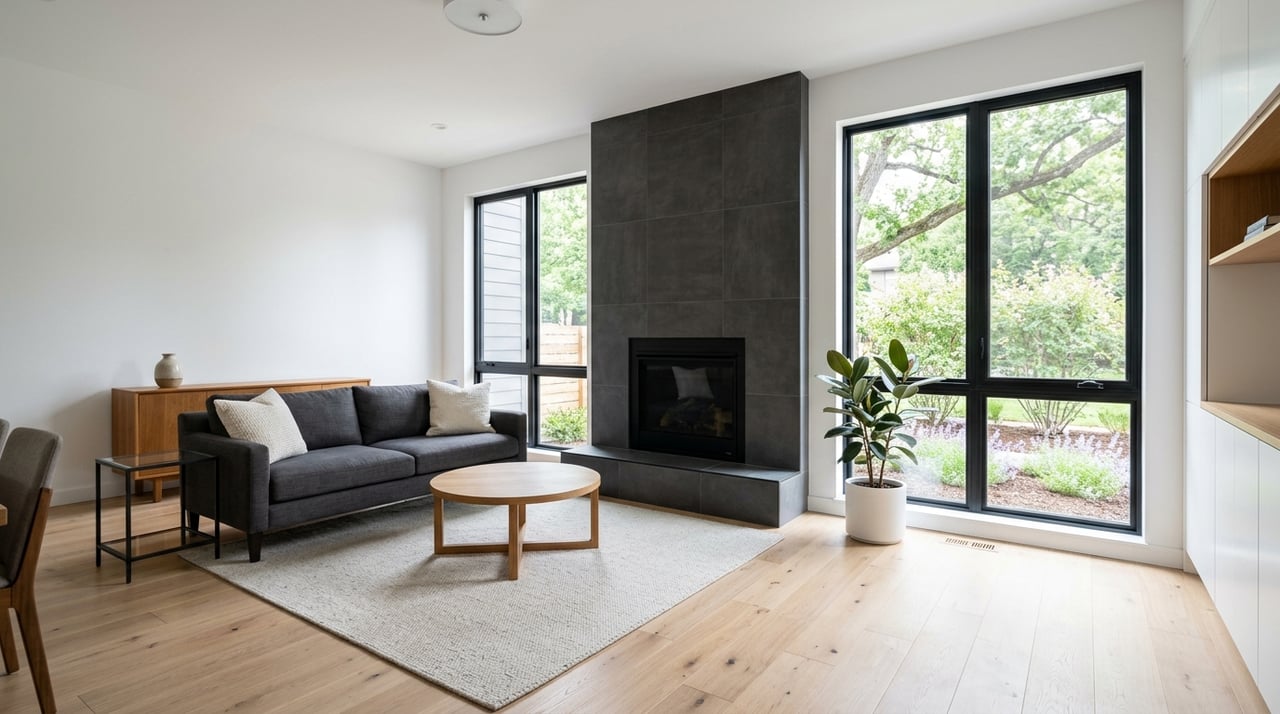
If you are deciding where to invest time and money, start with the spaces buyers judge fastest. NAR’s 2025 staging survey found the most commonly staged rooms were the living room, primary bedroom, dining room, and kitchen.
Those rooms often do the heavy lifting in listing photos and in-person showings. In Wash Park and Bonnie Brae, they also help communicate whether the home feels timeless, comfortable, and in sync with the architecture.
In a neighborhood with architectural character, staging should support the house, not compete with it. Oversized furniture, trend-heavy decor, or too many accessories can make even a beautiful home feel smaller or less authentic.
Instead, aim for:
For Bonnie Brae homes in particular, this approach can help buyers appreciate the shape and personality of the home itself. For Wash Park homes, it helps the interior feel connected to the mature, established surroundings.
Outdoor and yard space was staged by 31% of respondents in NAR’s 2025 survey. In a neighborhood like Washington Park, that is especially relevant.
The exterior is not just the first thing buyers see. It is part of the lifestyle they are buying into. A tidy patio, a clean porch, or a simple seating area can help buyers imagine how they would actually live in the home.
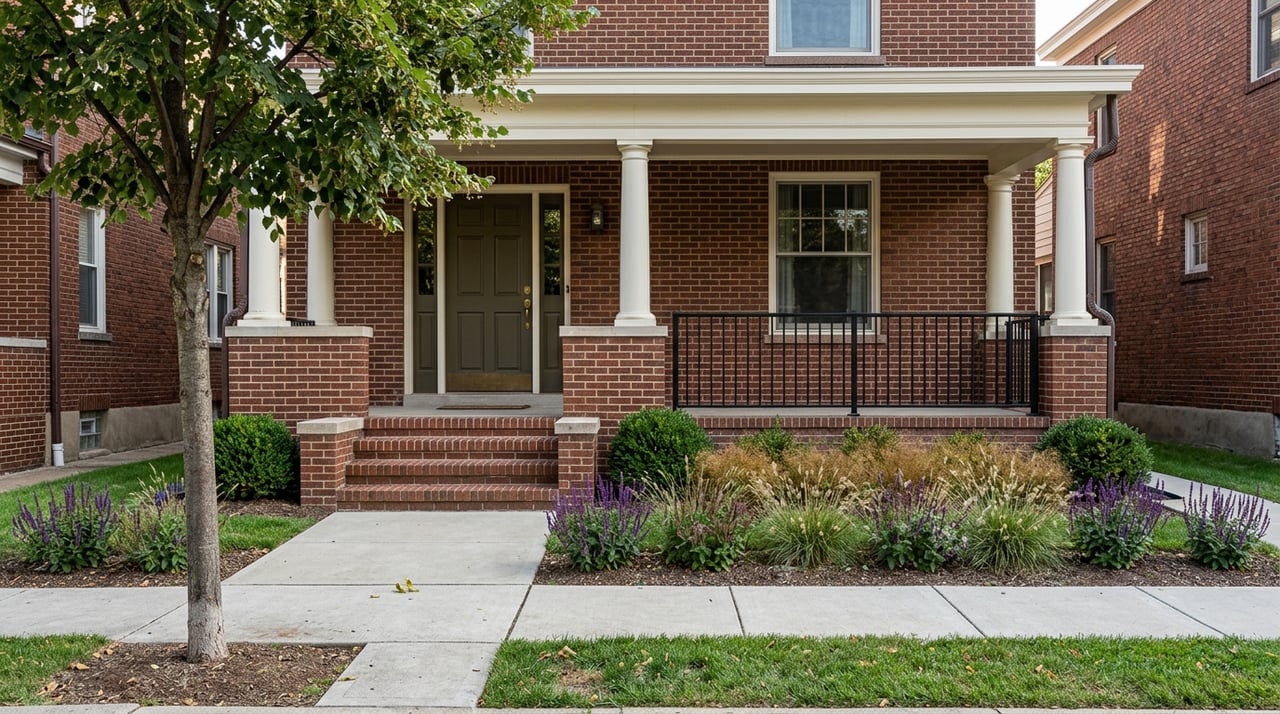
Curb appeal matters everywhere, but it carries extra weight in Wash Park. The neighborhood’s mature trees, landscaped streets, and proximity to one of Denver’s best-known parks create a naturally high visual standard.
That does not mean you need a full landscape overhaul. It does mean the front of your home should look maintained and intentional.
Focus on these basics:
If your home sits near especially lush blocks or established landscaping, buyers will naturally compare. Clean lines and visible upkeep help your home hold its own.
It can be tempting to take on a big renovation before listing. In most cases, a more disciplined approach is better.
Cosmetic updates like painting, laying floor tile, and changing faucets or fixtures are often allowed in Denver without a building permit. But structural work, remodeling, and new exterior openings do require permits.
If your home is individually designated or located in a historic district, exterior work should be checked with Denver Landmark Preservation before work begins. That is also worth noting if you are considering exterior changes on or near designated areas.
The goal is not to create the most renovated home in the neighborhood. It is to create a home that feels well-cared for, market-ready, and appropriately priced.
In Wash Park and Bonnie Brae, over-renovating can sometimes work against the setting. Buyers are often drawn to homes that preserve character and feel thoughtfully updated, not homes that have been stripped of their original charm.
The Denver Metro market has remained relatively steady, but it is not a market where every home sells instantly no matter how it is presented. DMAR reported 11,539 active listings in April 2026, with a median of 14 days in MLS and a close-price-to-list-price ratio of 99.44%.
That tells you something important. Buyers are active, but they have options.
If your home is priced well and shows beautifully, it can still move quickly. If it feels overpriced, underprepared, or in need of work, it may take longer to gain traction.
Pricing and presentation are not separate decisions. They support each other.
A polished home with clean condition, strong photos, and thoughtful staging gives your asking price more credibility. A home that needs work or feels unfinished may still sell, but the pricing strategy usually has to account for that reality.
This is especially important for attached homes. DMAR noted more inventory pressure and a slower pace for higher-priced attached properties than for detached homes, making presentation and pricing even more important for condos and townhomes.
Once your home is live, consistency matters. Every showing is a chance to reinforce the impression your photos created.
NAR recommends clearing pathways, opening all window treatments, turning on all lights, and taking pets with you before each showing. These small actions can make the home feel brighter, more open, and easier to imagine as someone else’s future space.
Keep a simple pre-showing checklist handy:
The easier your home is to show well, the easier it is to stay confident during the listing period.
Preparing your Wash Park home to sell confidently is not about chasing every trend or spending blindly. It is about understanding what buyers in this part of Denver notice most, then making practical decisions that support condition, presentation, and price.
In Washington Park and nearby Bonnie Brae, that usually means a clean, edited interior, strong curb appeal, respect for the home’s character, and a listing strategy grounded in current market conditions. When those pieces come together, your home is better positioned to connect with buyers quickly and clearly.
If you are thinking about selling and want a calm, design-aware strategy for your next step, The David Bell Group can help you prepare, position, and market your Denver home with care.

David Bell is a seasoned Denver real estate professional with a rich background in finance, marketing, and operations, and over $150 million in sales since 2013. A Denver native and former CPA, David brings sharp business acumen from his career with global fashion brands and fitness companies, now pairing it with his passion for real estate to deliver exceptional client experiences. Known for his professionalism, integrity, and personal touch, he helps clients navigate life transitions with ease—whether buying, selling, or finding the right resources for their homes. Working alongside his sister, Nancy Jones, at Milehimodern, David is proud to combine hometown roots with world-class expertise in Denver’s dynamic real estate market.
📍 44 Cook St., #310, Denver, CO 80206
📞 (303) 887-1358


Stay up to date on the latest real estate trends.
October 15, 2026
October 8, 2026
October 1, 2026
September 24, 2026
September 17, 2026

September 10, 2026
September 3, 2026
August 27, 2026
August 20, 2026
The David Bell Group at Milehimodern are expert Denver real estate agents dedicated to helping you find your dream home and assisting with any selling needs you may have. Contact us today to start your home searching journey!